On the first and second of November, in towns across Mexico, cemeteries fill up with people who are not mourning. They are cooking. Families sweep the graves, lay down mats and blankets, light candles and spend the night telling stories about the person who has died. There are plates of tamales and bottles of mezcal. There are photographs, and often a guitar. It looks, to a visitor, like a party. It is, in a way. It is a reunion.
It is not Halloween
The easiest mistake to make is to treat Día de Muertos as a Mexican version of Halloween. The two occur at roughly the same time and share some imagery, such as skulls. But their moods are opposite. Halloween plays with fear of the dead. Day of the Dead welcomes them. The traditional belief is that on these days, the souls of the departed return to visit, and the living prepare to receive them with food, drink and affection.
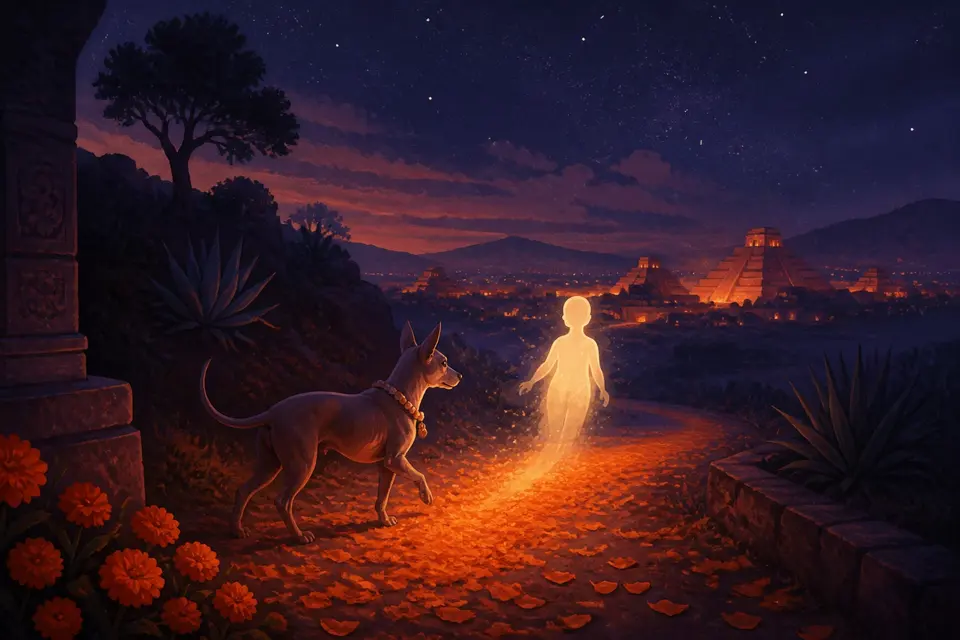
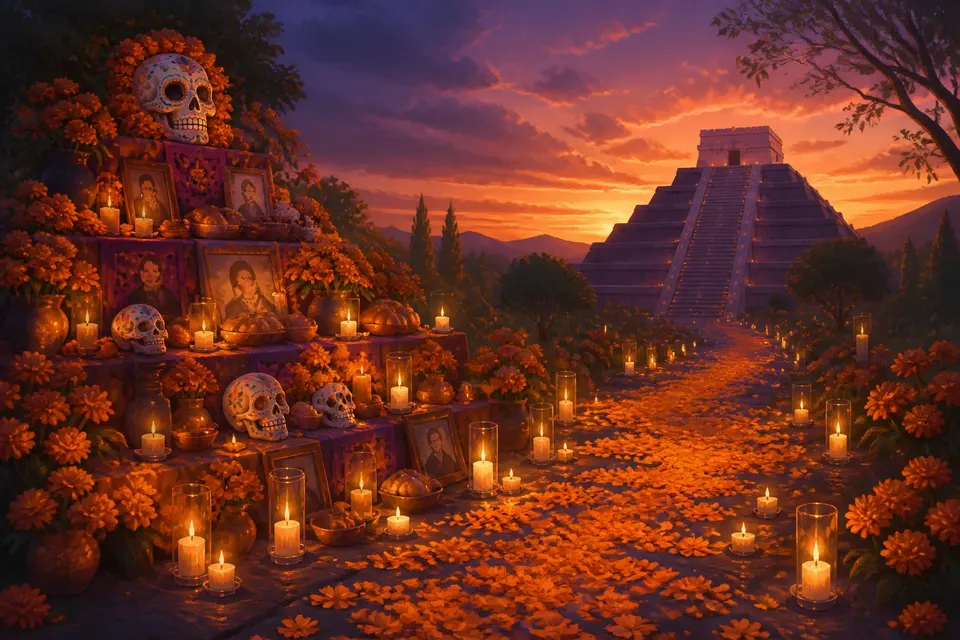
The offering, the ofrenda, is the heart of the tradition. A family builds an altar at home, usually with several levels, covered with orange marigolds, candles, incense, photographs and the dead person’s favorite foods. If a grandfather liked cigarettes and tequila, those will be there. If a child died, there will be toys and sweets. A path of marigold petals leads from the door to the altar so that the spirit can find its way.
The Aztec afterlife
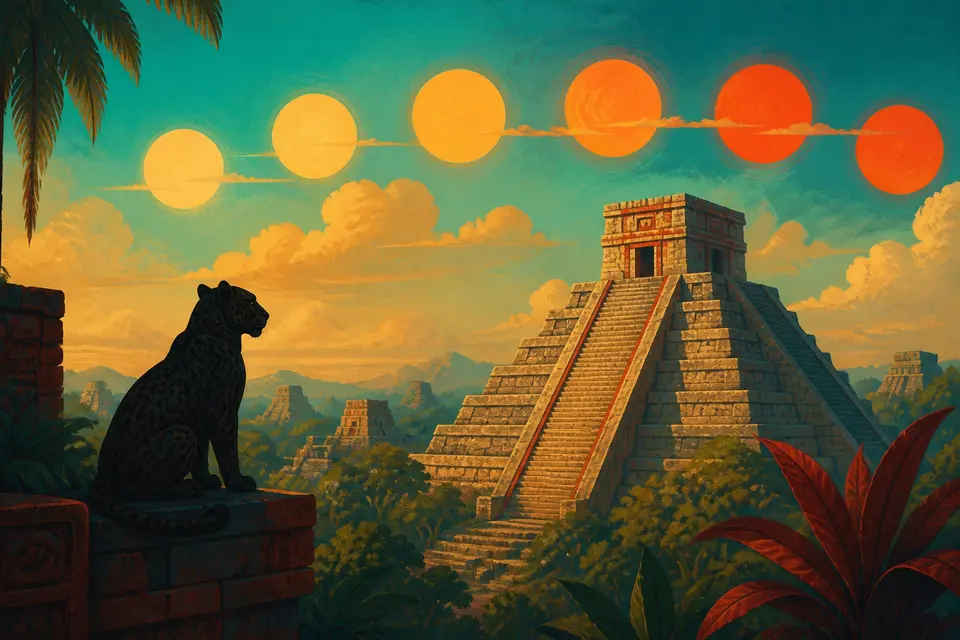
Behind some of this are older beliefs. The Aztecs, or Mexica, believed that where you went after death depended on how you died, not on how you lived. Warriors who died in battle and women who died in childbirth joined the sun in the sky. People who drowned or were struck by lightning went to a paradise of the rain god Tlaloc, called Tlalocan. Babies who died young were said to go to a tree that dripped milk.
Almost everyone else went to Mictlān, the land of the dead, in the far north. It was ruled by a pair of gods, Mictlantecuhtli and Mictecacihuatl. The journey took four years and passed through nine levels. The soul had to cross a river, climb between two mountains that collided, face a field of obsidian winds and pass a place where a person’s heart was eaten. Relatives helped with offerings: a small dog was buried with the person, because a dog was believed to carry the soul across the river.
At the end, the soul reached the ninth level, where it was finally at rest. Some sources say the soul simply disappeared.
An Aztec festival, and a Catholic one
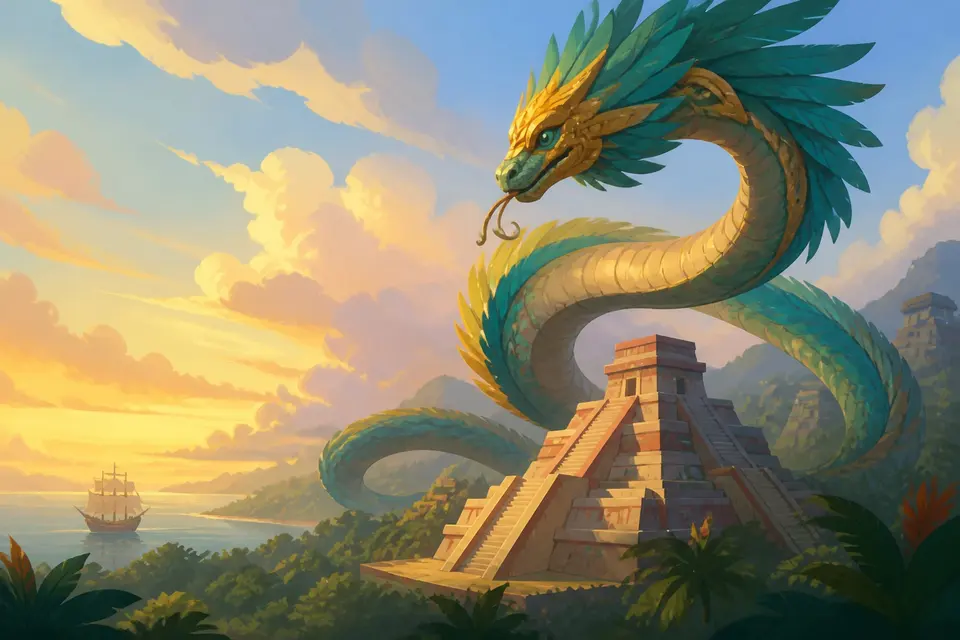
The Aztec calendar had two months devoted to the dead: the “little feast of the dead,” for children, and the “great feast of the dead,” for adults. They took place in the summer, around July and August. When the Spanish arrived and the Catholic Church imposed its calendar, All Saints’ Day on November 1 and All Souls’ Day on November 2 became the main days for remembering the dead. Many historians think that Indigenous communities blended the two, combining their own customs with the new feasts.
The result is something that cannot be pulled apart. The flower, the cempasúchil, is a marigold native to Mexico, and its name comes from Nahuatl. The pan de muerto, “bread of the dead,” is a sweet bread with bone-shaped decorations. The candles and the incense have Catholic roots as well. It is a living example of what happens when two religions meet.
The skeleton in the hat
One of the most famous images of Day of the Dead is La Catrina, an elegant skeleton in a wide, feathered hat. She was created in about 1910 by the printmaker José Guadalupe Posada, who made cheap, satirical illustrations for newspapers. He called her La Calavera Garbancera. She was a joke about Mexican people who tried to imitate European fashions and pretended not to be Indigenous. The point of the picture was that underneath the fancy hat, everyone is a skeleton.
The name “Catrina” was given later, in 1947, when Diego Rivera included her in his mural Dream of a Sunday Afternoon in Alameda Central. She has been part of the festival ever since.
Recognition and the movies
UNESCO included Mexico’s Day of the Dead on its list of the intangible cultural heritage of humanity in 2008. The 2017 Pixar film Coco introduced the tradition to a global audience, with a story about a boy who visits the land of the dead and learns that a person is truly gone only when no one remembers them. That idea is true to the festival.
What it says
The Day of the Dead holds a view of death that is not about fear or defeat. People are not removed from the family when they die. They remain part of the household, with a place at the table once a year. It is a nice reminder, whatever you believe about what happens afterward, that remembering someone is a form of keeping them company.